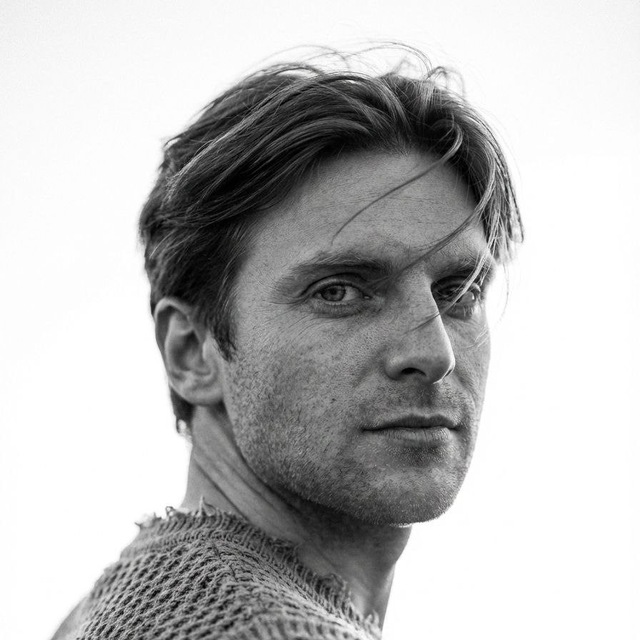
I ship products · make music · film
Ivan Shevchenko
I'm a UX/UI designer. I've worked in companies for years — from junior to head of product — on large systems and startups. What draws me most is ideas that grow from a real pain, and the path from sketch to release.
A few years ago I learned to code (JS, React, React Native). Now I can build products end to end: design, code, store, support.
Feed or apps
Projects from games and flashcards to planners and team tools. Some live in the store, some are in progress, some became lessons.


Mobile apps

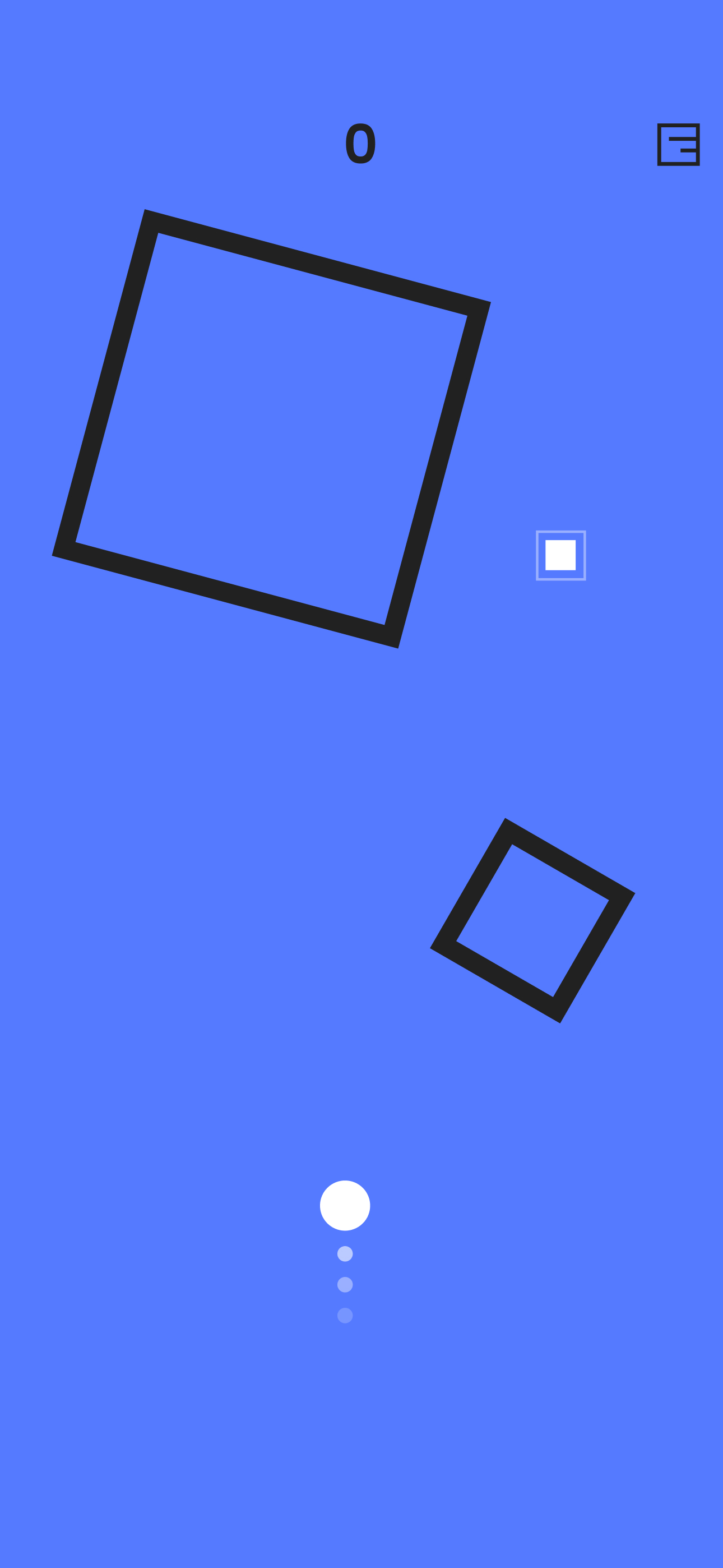
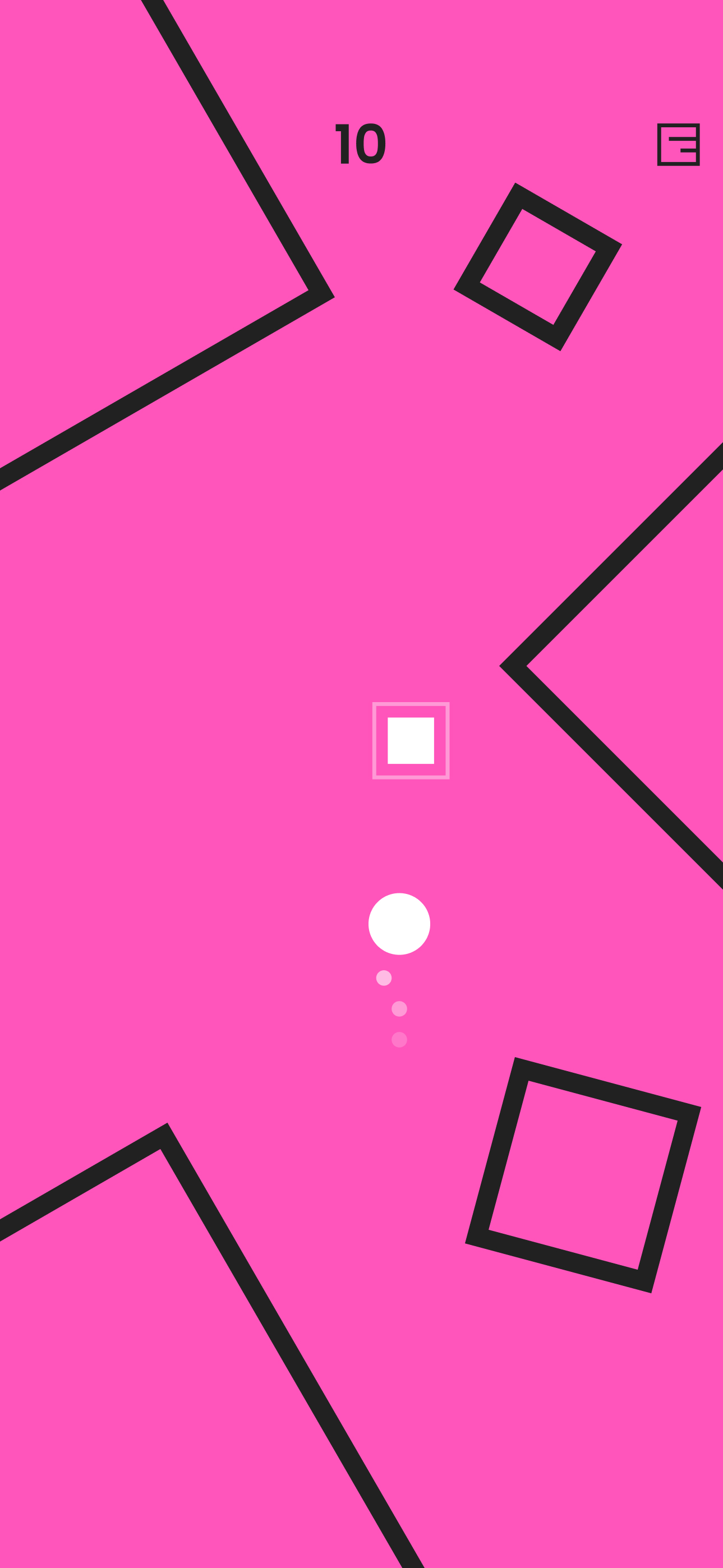
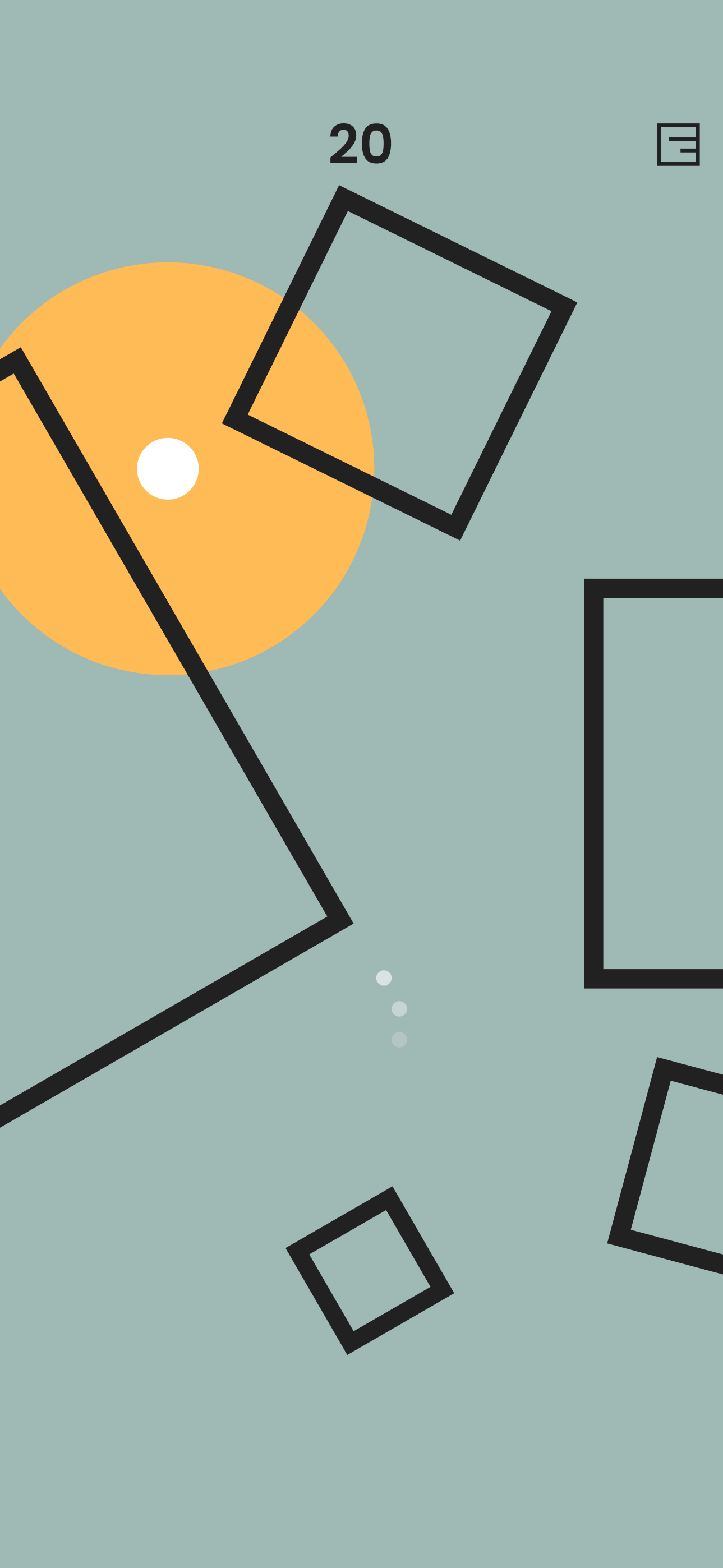
Slope Cube
That was a long time ago. I loved games and watched casual gaming take over the App Store. I thought: why not try?
I hired a Swift developer, shaped the concept, did the design — and ran into the core issue for the first time: a game doesn't earn from ads unless you have a huge audience. Where do you get that?
Slope Cube taught me about reality. An idea can be good, but if you can't bring people in, it won't work.
It became my "closed gestalt," and I moved on.

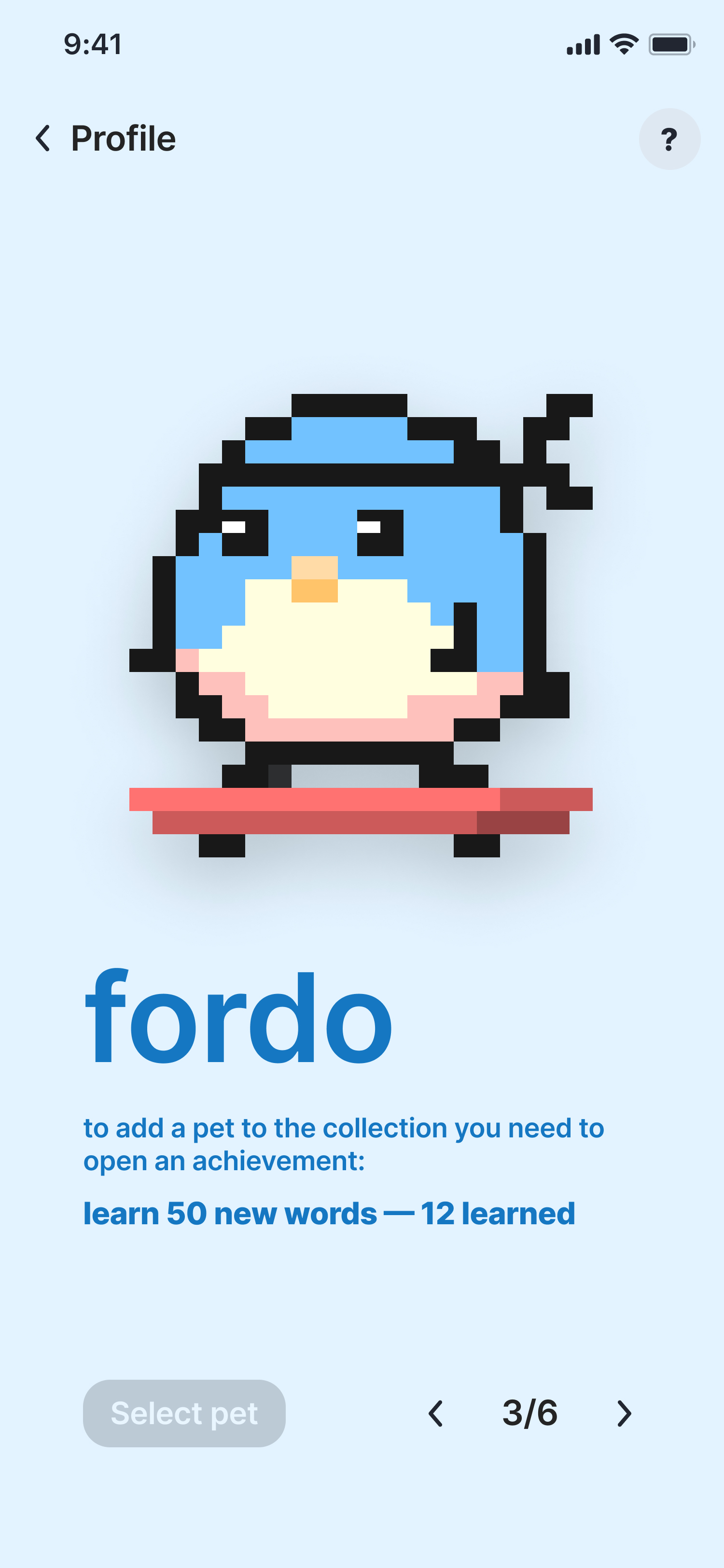
LinguaPets
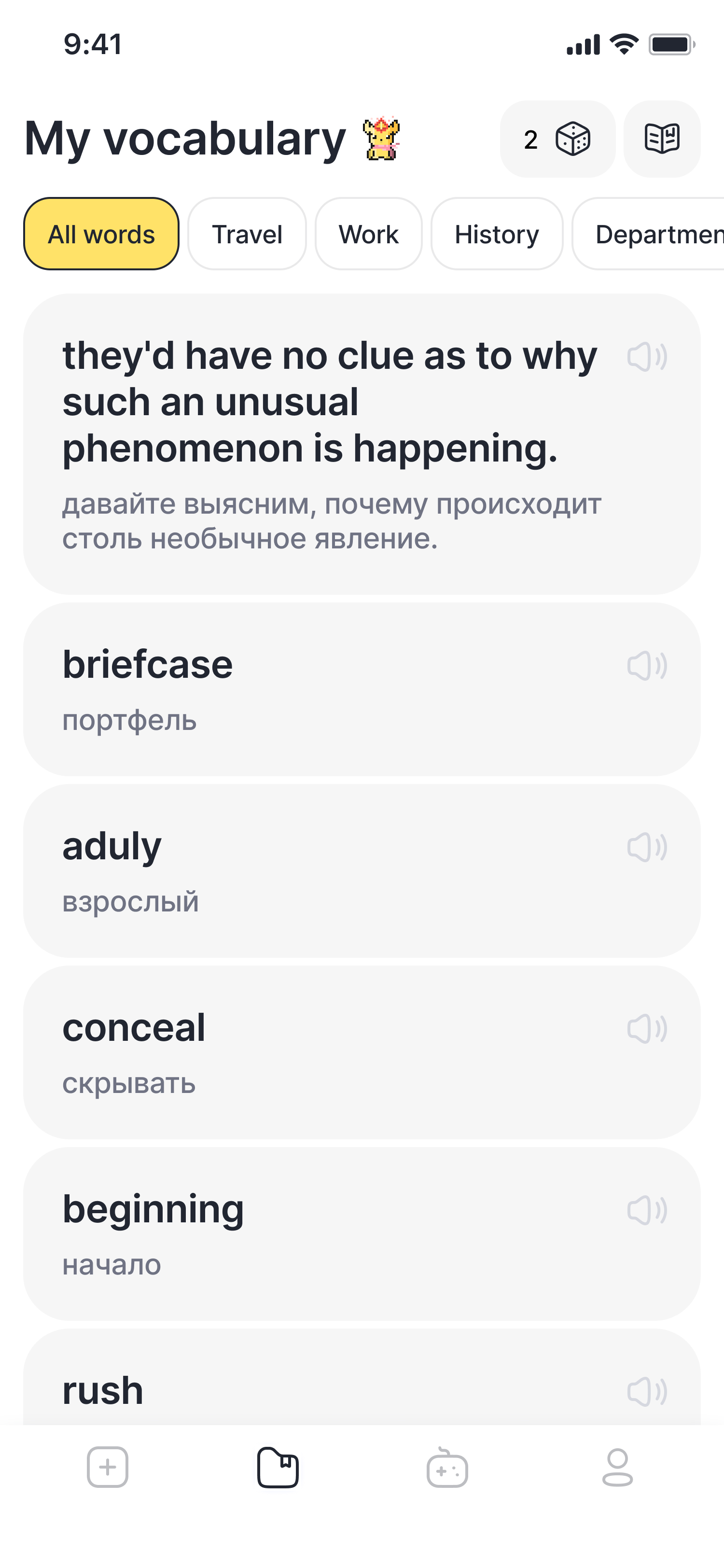
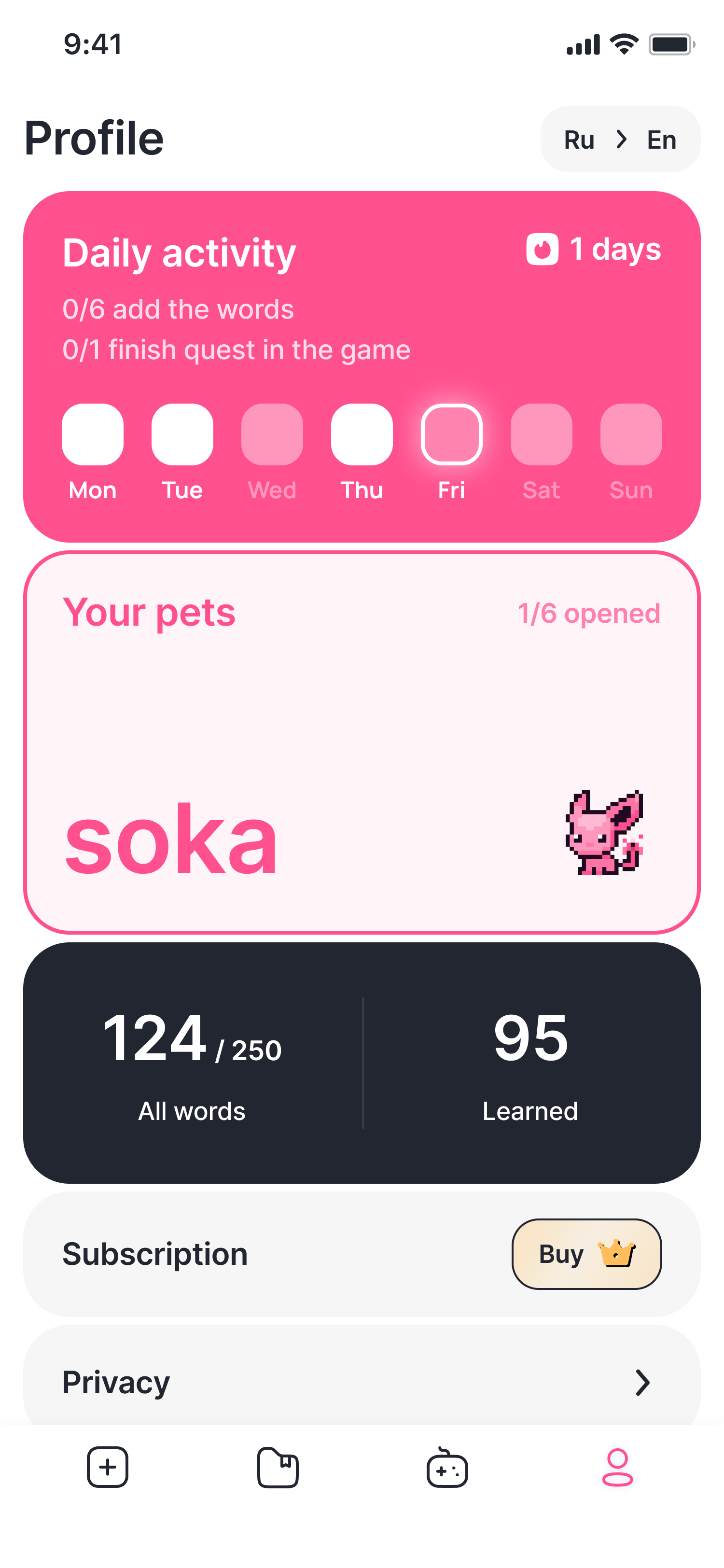
When I came up with LinguaPets, I didn't know pets would be part of it. Brainstorming ways to keep people coming back led me there.
The mechanic is simple: a vocabulary with flashcards and typing practice. People add words they want to learn, show up daily, and earn pets as a reward for consistency.
When I started telling people about it, I hit a wall: many want the system to hand them a ready-made word list. They don't want to add words themselves. That's fair — but I no longer had the resources or energy to solve it. LinguaPets lives as it is.

PlanRe
This was the beginning. I wanted to build solo — no negotiating with a developer, no translating my idea for someone else. Just ship what I saw.
I learned React Native. Built PlanRe (it started as PlanPlume). It felt completely different.
So many nights staring at an error I couldn't find. Moments when it felt like everything was wrong. And so much joy when something suddenly worked exactly the way I'd pictured.
ChatGPT was just appearing then. I used it like a reference and study buddy — when something broke, I'd ask.
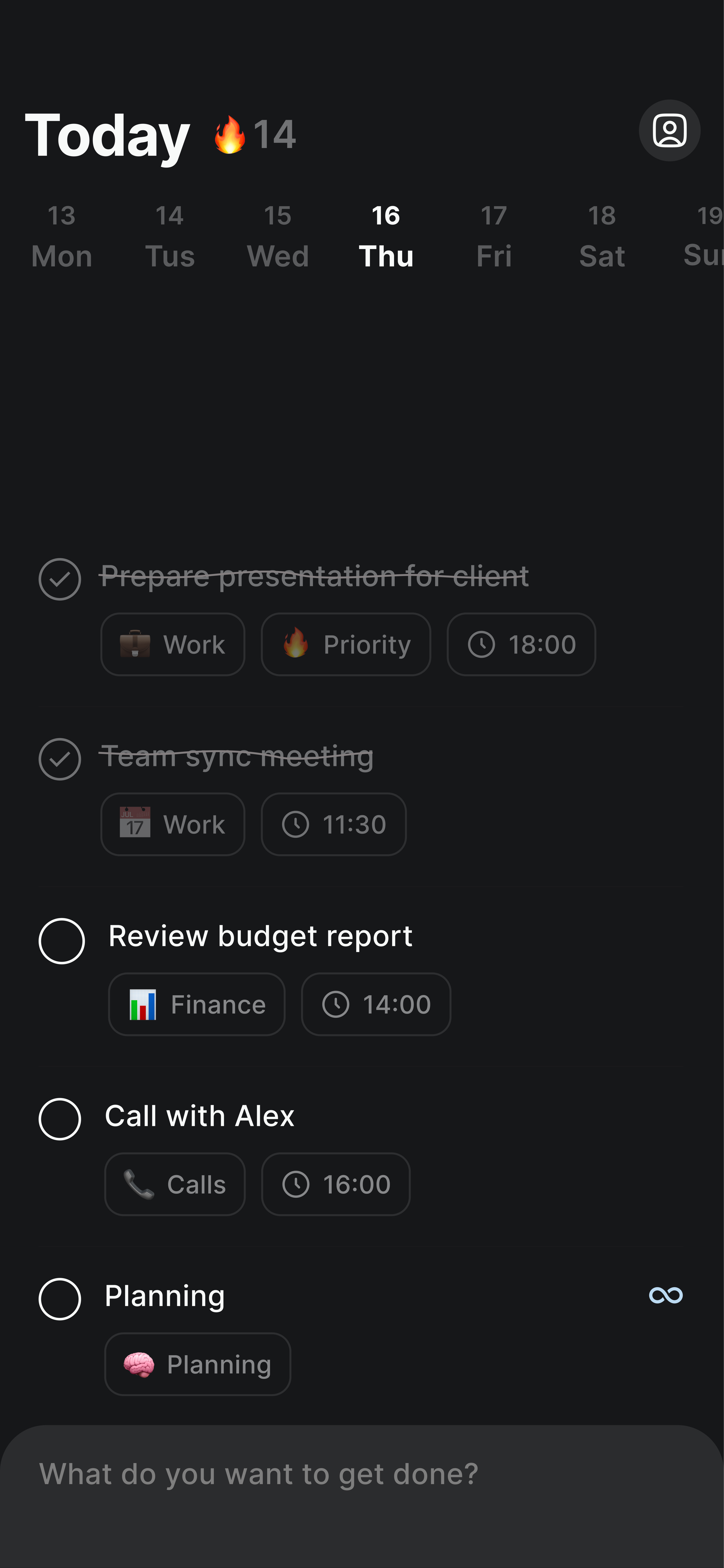
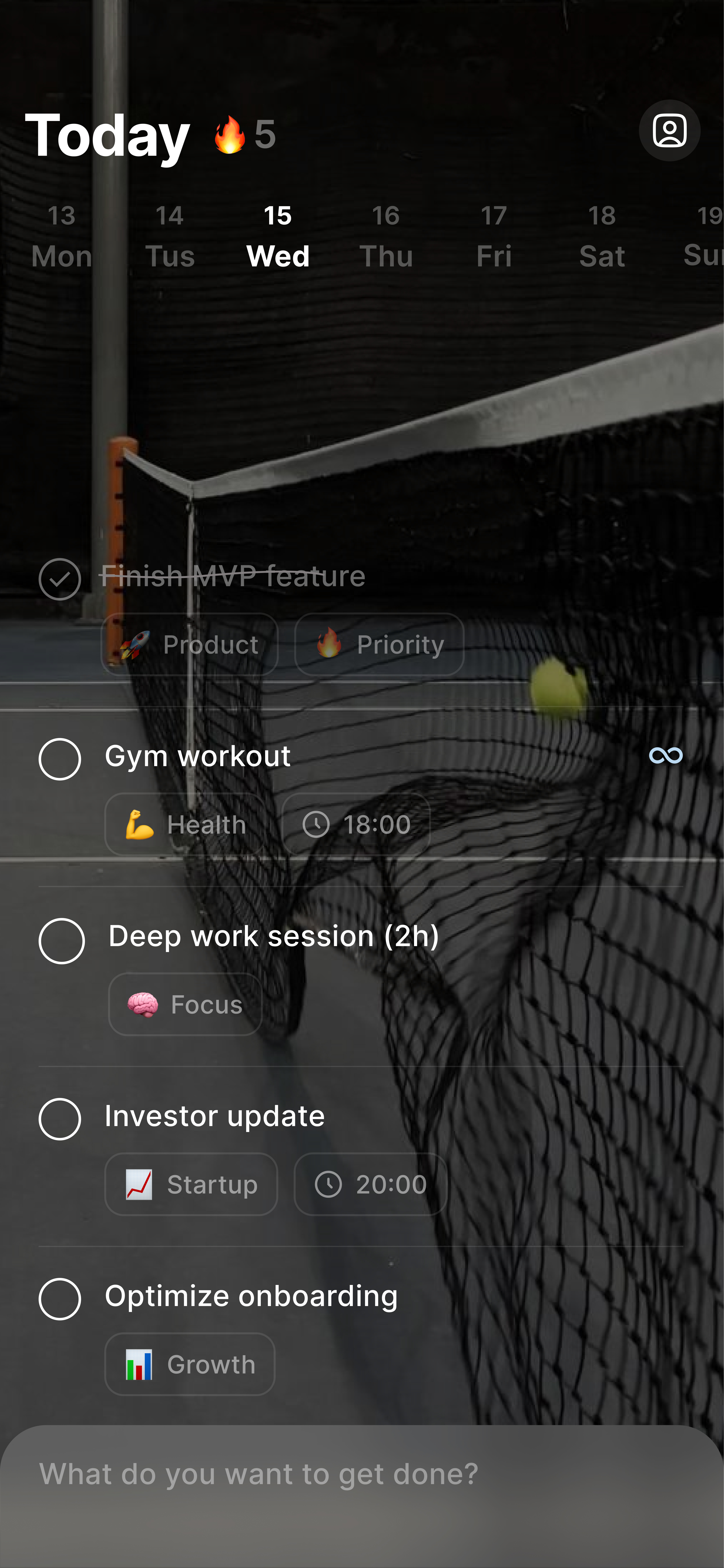
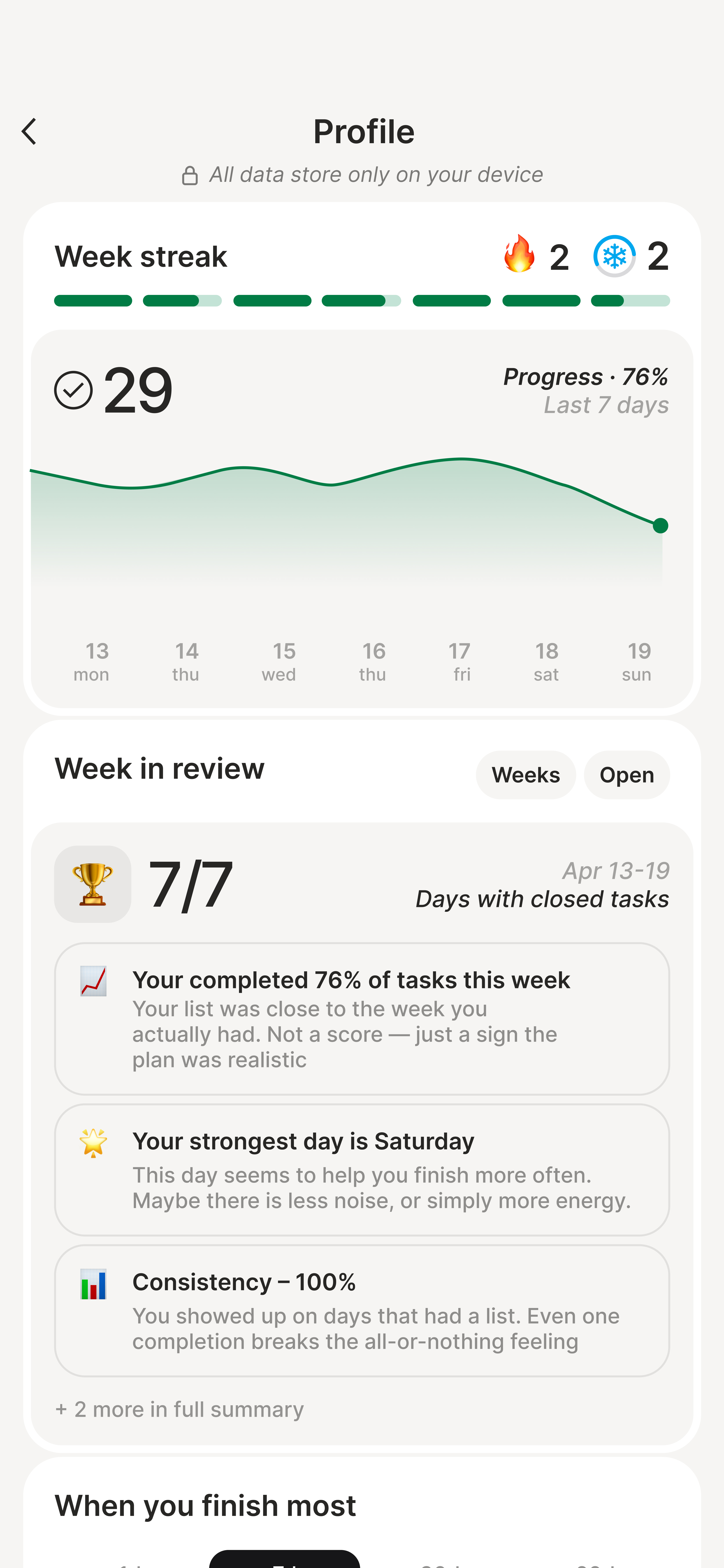
At first the app was a messenger-style planner: tasks in chat, time attached, folders for grouping. Then I rebuilt it. Familiar structure: days in tabs, planning for a specific day, recurring tasks, analytics, a short recap of what you've accomplished.
Most importantly, I tried to avoid pressure. No toxic streaks, no guilt trips — just analytics that reflect who you are and how you live.
PlanRe works. People use it. I'm proud.
Web
Blans
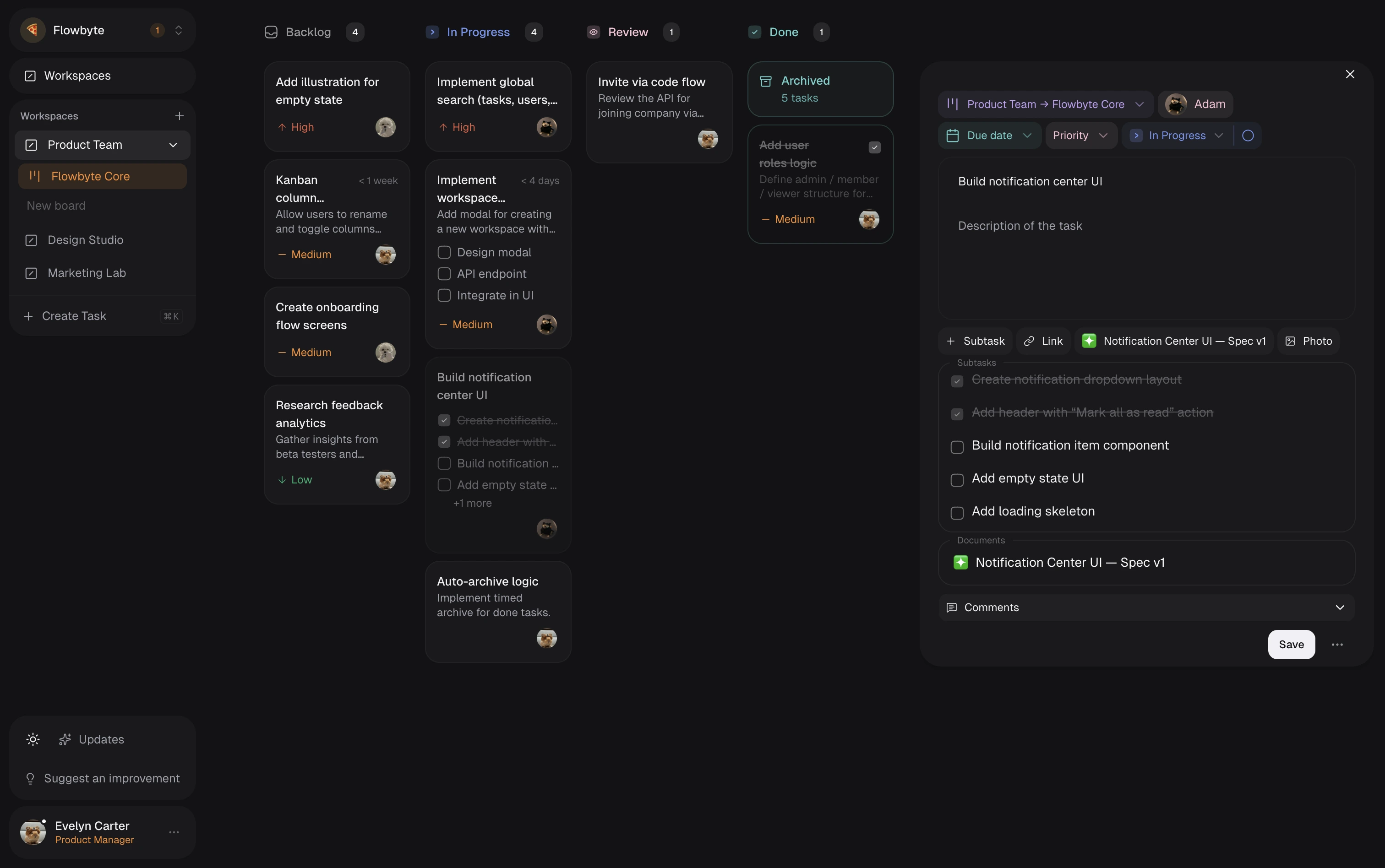
The idea came from pain: I watched small teams jump between a board, docs, chat, and analytics. Ten tabs, ten tools, ten places where information can vanish.
I decided to build Blans — design, frontend, backend, infrastructure, security. Kanban, documents, analytics, a company channel — all in one place. For small teams, roughly 3–15 people.
This project showed me the limits. A big product takes an enormous amount of time — even when you're efficient, even when you know what you're doing.
Blans is alive today. It runs; people use it. I'm not rushing to open it to everyone — I want confidence in quality and security first. If you're already using it, there's a feedback button in the app. Write me — I read every message.
In development
Relvia
I'm working on it now. It's for people dealing with anxiety — not meditation, not another generic wellness app. It's about understanding yourself.
What's bothering you? What does it feel like? What helps? Which breathing pattern works? The app helps you explore those questions.
It's also a journal — not a guru, not a coach. A tool to see who you really are and what you actually want.
Soon
Sito
On pause. Simple idea: photograph your meal and get a rough calorie estimate — no ingredient entry, no long calculations.
I wanted an honest take: is this delicious thing "worth" its calories? Not in a moralistic "it's bad for you" sense — just: I want to know what I'm eating.
I'll come back when I have the bandwidth.
Soon
Why this way
I want to see an idea become real — in code, in a track, on camera. I want to hear from people who use it, and understand each step along the way.